DISCOVER
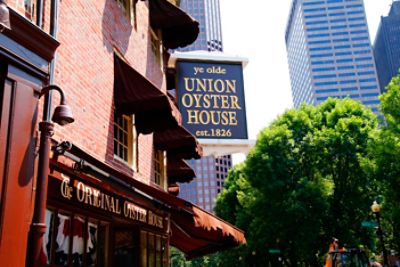
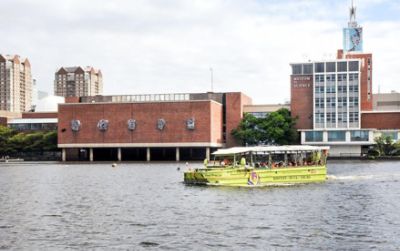
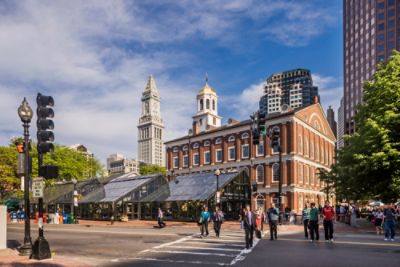
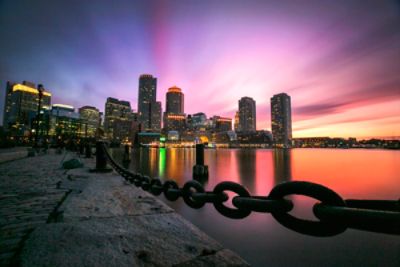
From world-famous museums to fascinating historic sites, experience the best things to do in Boston with our travel guide.
READ MORE
From world-famous museums to fascinating historic sites, experience the best things to do in Boston with our travel guide.
READ MORE
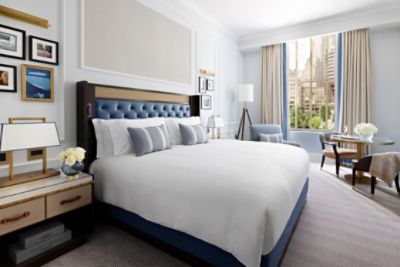
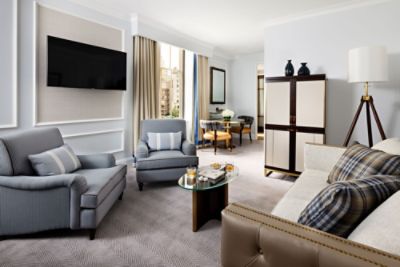
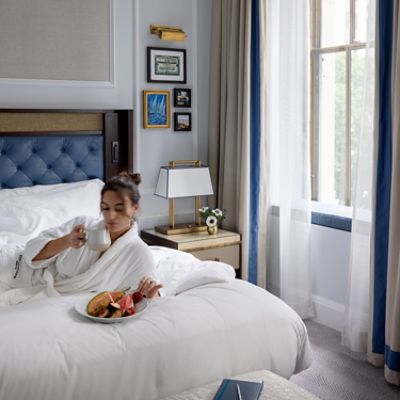
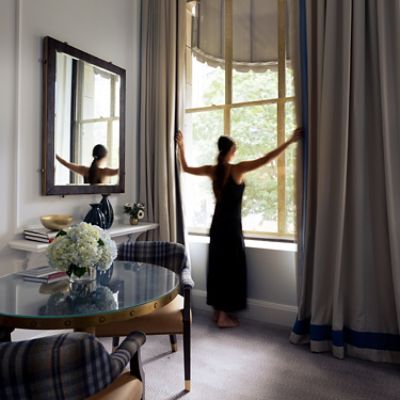
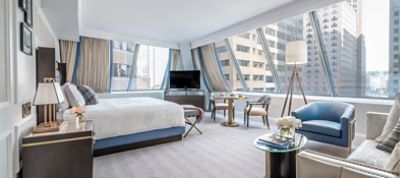
Enjoy the quintessential Boston experience with a world-class hotel stay. Relax in luxurious rooms and suites with elaborate amenities and American charm.
READ MORE
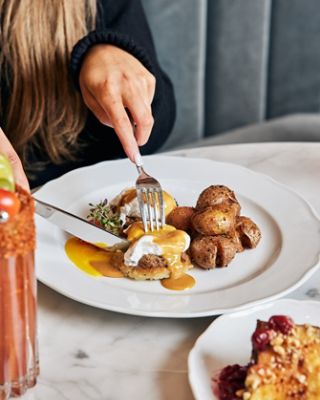
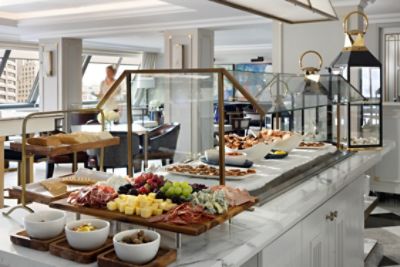
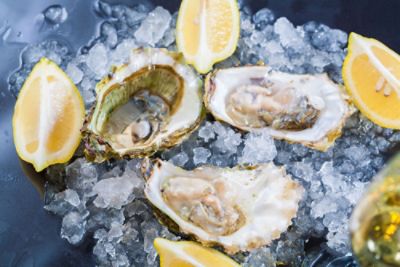
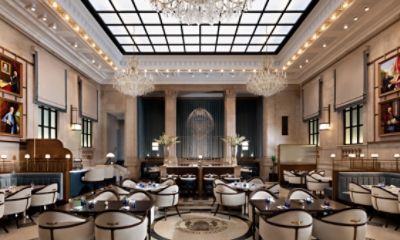
Indulge in a feast for the senses with The Langham's restaurants. From weekend brunch to nightcaps, savor classic Italian dishes and enjoy artisanal cocktails.
READ MORE/masthead_images/tllon-fitness-and-wellness.jpg)
Rest and rejuvenate in The Langham, Boston's wellness facilities. Enjoy our updated fitness center, heated indoor pool, whirlpool, and relaxing saunas.
READ MORE
With 15 event venues, vast event space and grand ballrooms, The Langham, Boston is the perfect place for any occasion, from weddings to meetings.
READ MORE
Luxury in the Heart of Boston | U.S. News and World Report, Best Hotels 2023 Winner | EarthCheck Platinum Certified
 45F
45F

Looking for a little added sparkle on your holidays?
The Brilliant by Langham loyalty programme gives you more for less. Boost your benefits by rising up through membership tiers, turning travel into treasured memories.
The more you spend, the more rewards you get in return. It’s all about providing you with a better experience.
Ready for more? It's time for Brilliant.
For unique travel experiences, and moments to treasure, Brilliant by Langham is your ticket to explore the world.
Celebrating their shared love for all things British, The Langham has partnered with Paddington to bring guests a selection of exclusive Paddington offerings, to include special co-branded merchandise, themed rooms and more to enrich their stay.
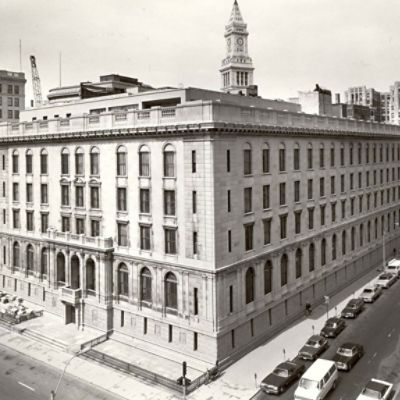
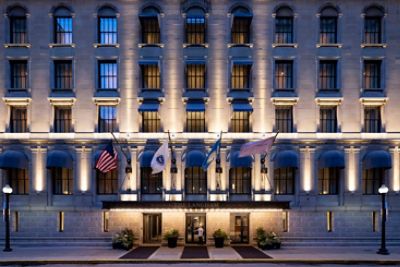
Built in 1922, The Langham was formerly The Federal Reserve Bank of Boston before being converted into a hotel in 1981.
As a historic landmark, the building is protected by the Boston Landmarks Commission, and looks almost exactly like it did back in its banking days.
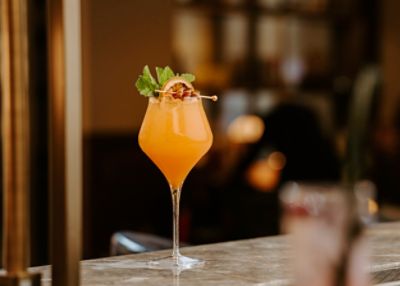
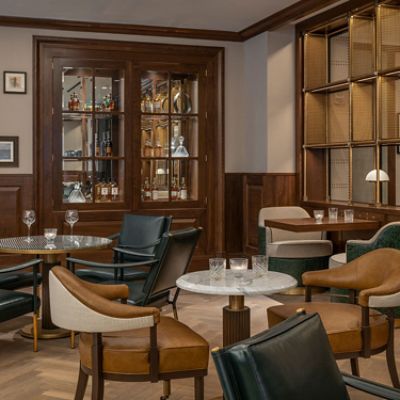
Relax with cocktails and ice-cold pints at The Fed, our British-inspired cocktail bar with a chic New England twist.
Inspired by The Wigmore Pub at our flagship hotel in London, The Fed offers elevated pub fare, such as the Three Cheese Toastie and Maine Lobster Roll.
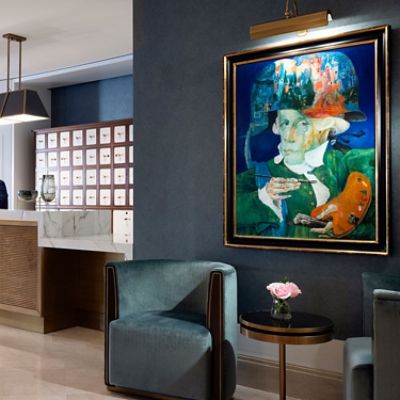
The Langham, Boston features a stunning art collection that pays homage to the building’s banking history and local heritage.
The collection features a total of 268 pieces, of which 126 are intimately linked to Boston's rich culture.
Boston is home to many prestigious colleges and universities, including Harvard and MIT. Let our concierge be your guide to all things school-related, be it scouting potential colleges or getting ready to move in! We also offer dedicated room offers for the proud parents.
The Langham, Boston proudly supports the local community in any way we can. We source most of our ingredients from New England purveyors and businesses. You'll experience many of our local partnerships during your stay — from the beer on tap in The Fed, to the items in the fully stocked cellarets in each guestroom.